Showing posts with label Yiddish. Show all posts

Monday, 19 October 2026

The word 'lox' is a loan word from Yiddish 'laks'

'Lox' is a word borrowed from Yiddish 'laks'. The word entered the English language some time around 1939.


lox [noun] [1939]
Salmon that has been cured in brine and sometimes smoked
Meaning: salmon that has been cured in brine and sometimes smoked.

Etymology: Yiddish laks; from Middle High German lahs salmon; from Old High German; akin to Old English leax salmon.

Topics: Animals:Fish.

Origin: From Yiddish to German to English.

note: Brined and sometimes smoked salmon from Yiddish laks via Germanic not related to Scandinavian gravlax.
See 'lox' on the Loan Words Map

See more loan words from Yiddish.
See more loan words from 1930s.


Friday, 3 January 2025

Do you speak a little Yiddish when you say 'tchotchke'?

'Tchotchke' is a word borrowed from Yiddish 'tshatshke'. The word entered the English language some time around 1971.


tchotchke [noun] [1971]
  • knickknack
See 'tchotchke' on the Loan Words Map

See more loan words from Yiddish.

Etymology: Yiddish 'tshatshke' trinket, from obsolete Polish 'czaczko'
See more loan words from 1970s.

How the Yiddish language influenced English with the word 'mensch'

'Mensch' is a word borrowed from Yiddish 'mensch'. The word entered the English language some time around 1856.


mensch [noun] [1856]
A person of integrity and honor
See 'mensch' on the Loan Words Map

See more loan words from Yiddish.

Etymology: Yiddish 'mentsh' human being, from Middle High German 'mensch' from Old High German 'mennisco;' akin to Old English 'man' human being, man
See more loan words from 1800s.


Monday, 6 November 2023

Did you know that 'vig' is actually Yiddish?

'Vig' is a word borrowed from Yiddish 'vigorish'. The word entered the English language some time around 1968.


vig [noun] [1968]
Vigorish
See 'vig' on the Loan Words Map

See more loan words from Yiddish.

note: US slang the interest on a loan that is paid to a moneylender.
Etymology: -
See more loan words from 1960s.


Tuesday, 8 August 2023

Yiddish 'puts' in the English language

'Putz' is a word borrowed from Yiddish 'puts'.


putz
(details not available)
See 'putz' on the Loan Words Map

See more loan words from Yiddish.

note: 1900–05 - Yiddish puts literally: ornament finery - probably noun derivative of putsn to clean or shine - compare early modern German butzen to decorate.
Etymology: -
See more loan words from (unknown date).

Yiddish 'payos' in the English language

'Payos' is a word borrowed from Yiddish 'payos'.


payos
(details not available)
See 'payos' on the Loan Words Map

See more loan words from Yiddish.

note: The prohibition against shaving the side of the man's head derives from Leviticus 19:27. Also refers to the corners of a field which should be left for the poor to glean.
Etymology: -
See more loan words from (unknown date).

The word 'zaddik' is a loan word from Yiddish 'tzaddik'

'Zaddik' is a word borrowed from Yiddish 'tzaddik'. The word entered the English language some time around 1873.


zaddik [noun] [1873]
  • a righteous and saintly person by Jewish religious standards
  • the spiritual leader of a modern Hasidic community
See 'zaddik' on the Loan Words Map

See more loan words from Yiddish.

Etymology: Yiddish 'tsadek' from Hebrew 'ṣaddīq' just, righteous
See more loan words from 1800s.


The Yiddish origins of the word 'shtick'

'Shtick' is a word borrowed from Yiddish 'Stück'. The word entered the English language some time around 1959.


shtick [noun] [1959]
  • a usually comic or repetitious performance or routine
  • bit
  • one's special trait, interest, or activity
  • bag
See 'shtick' on the Loan Words Map

See more loan words from Yiddish.

Etymology: Yiddish 'shtik' pranks, literally, piece, from Middle High German 'stücke' from Old High German 'stucki;' akin to Old English 'stycce' piece, Old High German 'stoc' stick
See more loan words from 1950s.


The word 'shibboleth' is a loan word from Yiddish 'shibbōleth'

'Shibboleth' is a word borrowed from Yiddish 'shibbōleth'. The word entered the English language some time around 1638.


shibboleth [noun] [1638]
  • a word or saying used by adherents of a party, sect, or belief and usually regarded by others as empty of real meaning
  • a widely held belief
  • truism
  • a use of language regarded as distinctive of a particular group
See 'shibboleth' on the Loan Words Map

See more loan words from Yiddish.

Etymology: Hebrew 'shibbōleth' stream; from the use of this word in Judg 12:6 as a test to distinguish Gileadites from Ephraimites
See more loan words from 1600s.


The Yiddish roots of the word 'yeshiva'

'Yeshiva' is a word borrowed from Yiddish 'yeshiva'. The word entered the English language some time around 1760.


yeshiva [noun] [1760]
  • a school for talmudic study
  • an Orthodox Jewish rabbinical seminary
  • a Jewish day school providing secular and religious instruction
See 'yeshiva' on the Loan Words Map

See more loan words from Yiddish.

Etymology: Late Hebrew 'yĕshībhāh'
See more loan words from 1700s.


How the Yiddish language influenced English with the word 'yarmulke'

'Yarmulke' is a word borrowed from Yiddish 'yarmolke'. The word entered the English language some time around 1903.


yarmulke [noun] [1903]
A skullcap worn especially by Orthodox and Conservative Jewish males in the synagogue and the home
See 'yarmulke' on the Loan Words Map

See more loan words from Yiddish.

Etymology: Yiddish 'yarmlke' from Polish 'jarmułka' & Ukrainian 'yarmulka' skullcap, of Turkic origin; akin to Turkish 'yağmurluk' rainwear
See more loan words from 1900s.


Monday, 7 August 2023

Is 'goy' English, or is it actually Yiddish?

'Goy' is a word borrowed from Yiddish 'goy'. The word entered the English language some time around 1841.


goy [noun] [1841]
Gentile
See 'goy' on the Loan Words Map

See more loan words from Yiddish.

Etymology: Yiddish, from Hebrew 'gōy' people, nation
See more loan words from 1800s.


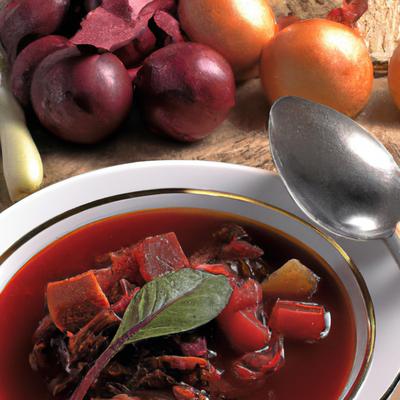
Do you speak a little Yiddish when you say 'borscht'?

'Borscht' is a word borrowed from Yiddish 'borsht'. The word entered the English language some time around 1808.


borscht [noun] [1808]
A soup made primarily of beets and served hot or cold often with sour cream
See 'borscht' on the Loan Words Map

See more loan words from Yiddish.

note: Also bortsch. Reached the English language from Yiddish - originally Ukrainian.
Etymology: Yiddish 'borsht' & Ukrainian & Russian 'borshch'
See more loan words from 1800s.


Is 'nudnik' English, or is it actually Yiddish?

'Nudnik' is a word borrowed from Yiddish 'nudnik'. The word entered the English language some time around 1947.


nudnik [noun] [1947]
A person who is a bore or nuisance
See 'nudnik' on the Loan Words Map

See more loan words from Yiddish.

Etymology: Yiddish 'nudnik' from 'nudyen' to bore, from Polish 'nudzić' from 'nuda' boredom
See more loan words from 1940s.


The word 'schmooze' is a loan word from Yiddish 'shmuesn'

'Schmooze' is a word borrowed from Yiddish 'shmuesn'. The word entered the English language some time around 1884.


schmooze [verb] [1884]
  • to converse informally
  • chat
  • to chat in a friendly and persuasive manner especially so as to gain favor, business, or connections
  • to engage in with
See 'schmooze' on the Loan Words Map

See more loan words from Yiddish.

Etymology: Yiddish 'shmuesn' from 'schmues' talk, from Hebrew 'shĕmu'ōth' news, rumor
See more loan words from 1800s.


How the Yiddish language influenced English with the word 'schmuck'

'Schmuck' is a word borrowed from Yiddish 'shmok'. The word entered the English language some time around 1892.


schmuck [noun] [1892]
Jerk
See 'schmuck' on the Loan Words Map

See more loan words from Yiddish.

Etymology: Yiddish 'shmok' literally, penis
See more loan words from 1800s.


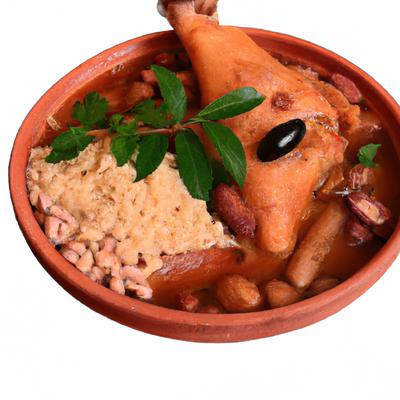
The word 'cholent' originally came from Yiddish as 'tsholnt'

'Cholent' is a word borrowed from Yiddish 'tsholnt'.


cholent
(details not available)
See 'cholent' on the Loan Words Map

See more loan words from Yiddish.

note: Jewish cooking: a stewed or baked dish especially of meat and beans served on the Sabbath but cooked the day before or overnight over a slow fire.
Etymology: -
See more loan words from (unknown date).

The word 'golem' is originally from Yiddish 'goylem'

'Golem' is a word borrowed from Yiddish 'goylem'. The word entered the English language some time around 1897.


golem [noun] [1897]
  • an artificial human being in Hebrew folklore endowed with life
  • something or someone resembling a golem
  • as
  • automaton
  • blockhead
See 'golem' on the Loan Words Map

See more loan words from Yiddish.

Etymology: Yiddish 'goylem' from Hebrew 'gōlem' shapeless mass
See more loan words from 1800s.


Did you know that 'mohel' is actually Yiddish?

'Mohel' is a word borrowed from Yiddish 'moyel'. The word entered the English language some time around 1650.


mohel [noun] [1650]
A person who performs ritual Jewish circumcisions
See 'mohel' on the Loan Words Map

See more loan words from Yiddish.

Etymology: Hebrew 'mōhēl'
See more loan words from 1600s.