Showing posts with label 1500s. Show all posts

Thursday, 29 October 2026

Is 'tulip' English, or is it actually Turkish?

'Tulip' is a word borrowed from Turkish 'tulipe'. The word entered the English language some time around 1578.


tulip [noun] [1578]
  • any of a genus (Tulipa) of Eurasian bulbous herbs of the lily family that have linear or broadly lanceolate leaves an...
  • the flower or bulb of a tulip

Meaning: any of a genus ( Tulipa ) of Eurasian bulbous herbs of the lily family that have linear or broadly lanceolate leaves and are widely grown for their showy flowers; the flower or bulb of a tulip.

Etymology: New Latin tulipa; from Turkish tulbent turban turban.

Topics: Clothing:Headwear.

Origin: From Turkish to French to English.

note: Via French 'tulipe' derived from the Turkish tülbend which means turban. Ultimately traces back to the Persian dulband. The flower was named for its resemblance to the folds of a turban when it is in bloom.
See 'tulip' on the Loan Words Map

See more loan words from Turkish.
See more loan words from 1500s.


Latin 'tumere' in the English language

'Tumid' is a word borrowed from Latin 'tumere'. The word entered the English language some time around 1541.


tumid [adjective] [1541]
  • marked by swelling
  • swollen
  • protuberant
  • bombastic

Meaning: marked by swelling : swollen enlarged a badly infected tumid leg; protuberant bulging sails tumid in the breeze; bombastic turgid.

Etymology: Latin tumidus; from tumere.

Topics: Society:Culture.

Origin: From Latin to English.
See 'tumid' on the Loan Words Map

See more loan words from Latin.
See more loan words from 1500s.


Sunday, 25 October 2026

Do you speak a little Spanish when you say 'tornado'?

'Tornado' is a word borrowed from Spanish 'tronada'. The word entered the English language some time around 1556.


tornado [noun] [1556]
  • a tropical thunderstorm
  • a squall accompanying a thunderstorm in Africa
  • a violent destructive whirling wind accompanied by a funnel-shaped cloud that progresses in a narrow path over the land
  • a violent windstorm
  • whirlwind

Meaning: a tropical thunderstorm; a squall accompanying a thunderstorm in Africa; a violent destructive whirling wind accompanied by a funnel-shaped cloud that progresses in a narrow path over the land.

Etymology: modification of Spanish tronada thunderstorm; from tronar to thunder; from Latin tonare thunder.

Topics: Weather.

Origin: From Spanish to English.
See 'tornado' on the Loan Words Map

See more loan words from Spanish.
See more loan words from 1500s.


How the Latin language influenced English with the word 'timid'

'Timid' is a word borrowed from Latin 'timidus'. The word entered the English language some time around 1549.


timid [adjective] [1549]
  • lacking in courage or self-confidence
  • lacking in boldness or determination

Meaning: lacking in courage or self-confidence a timid person; lacking in boldness or determination a timid policy.

Etymology: Latin timidus; from timere to fear.

Topics: Society:Culture.

Origin: From Latin to English.
See 'timid' on the Loan Words Map

See more loan words from Latin.
See more loan words from 1500s.


Saturday, 24 October 2026

The word 'hockey' is a loan word from French 'hoquet'

'Hockey' is a word borrowed from French 'hoquet'. The word entered the English language some time around 1527.


hockey [noun] [1527]
  • field hockey
  • ice hockey

Meaning: field hockey; ice hockey.

Etymology: perhaps from Middle French hoquet shepherd's crook; diminutive of hoc hook; of Germanic origin; akin to Old English hoc hook.

Topics: Sports:Games.

Origin: From French to English.

note: The exact origin is uncertain but it is likely from Middle French hoquet (a crook curved stick) referring to the stick used to play the game perhaps originating in the 16th century or earlier in Britain.
See 'hockey' on the Loan Words Map

See more loan words from French.
See more loan words from 1500s.


Monday, 19 October 2026

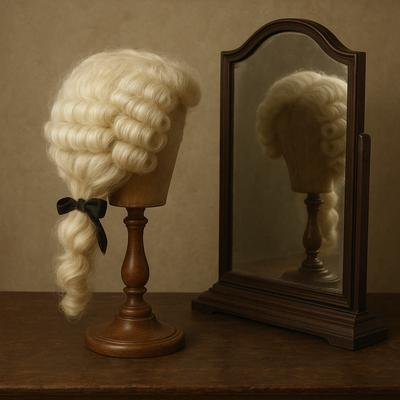
The word 'peruke' originally came from French as 'perruque'

'Peruke' is a word borrowed from French 'perruque'. The word entered the English language some time around 1573.


peruke [noun] [circa 1573]
  • wig
  • one of a type popular from the 17th to the early 19th century

Meaning: wig; one of a type popular from the 17th to the early 19th century.

Etymology: Middle French perruque; from Old Italian parrucca; perrucca hair; wig.

Topics: Clothing:Accessories.

Origin: From French to English.
See 'peruke' on the Loan Words Map

See more loan words from French.
See more loan words from 1500s.


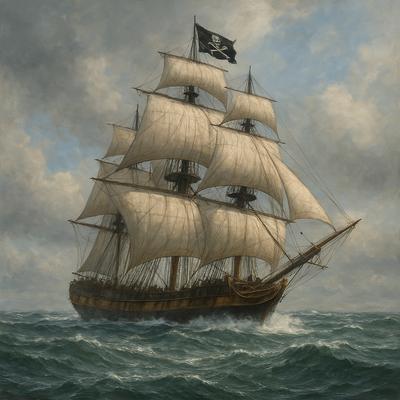
Is 'corsair' English, or is it actually French?

'Corsair' is a word borrowed from French 'corsair'. The word entered the English language some time around 1549.


corsair [noun] [1549]
  • pirate
  • a privateer of the Barbary Coast

Meaning: pirate; a privateer of the Barbary Coast.

Etymology: Middle French & Old Italian; Middle French corsaire pirate; from Old Occitan corsari; from Old Italian corsaro; from Medieval Latin cursarius; from Latin cursus course course.

Topics: Law:Crime.

Origin: From French to English.
See 'corsair' on the Loan Words Map

See more loan words from French.
See more loan words from 1500s.


When you say 'gelid' are you speaking Latin?

'Gelid' is a word borrowed from Latin 'gelidus'. The word entered the English language some time around 1599.


gelid [adjective] [1599]
Extremely cold - icy
Meaning: extremely cold : icy gelid water a man of gelid reserve New Yorker.

Etymology: Latin gelidus; from gelu frost; cold cold.

Topics: Weather.

Origin: From Latin to English.
See 'gelid' on the Loan Words Map

See more loan words from Latin.
See more loan words from 1500s.


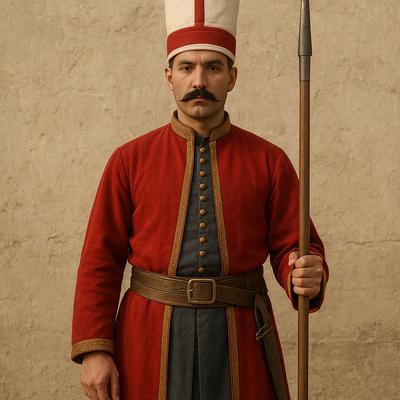
The word 'janissary' is originally from Turkish 'yeniçeri'

'Janissary' is a word borrowed from Turkish 'yeniçeri'. The word entered the English language some time around 1529.


janissary [noun] [1529]
  • a soldier of an elite corps of Turkish troops organized in the 14th century and abolished in 1826
  • a member of a group of loyal or subservient troops, officials, or supporters

Meaning: a soldier of an elite corps of Turkish troops organized in the 14th century and abolished in 1826; a member of a group of loyal or subservient troops; officials; or supporters.

Etymology: Italian gianizzero; from Turkish yeniceri; from yeni new + ceri soldier.

Topics: Military:Warfare.

Origin: From Turkish to English.
See 'janissary' on the Loan Words Map

See more loan words from Turkish.
See more loan words from 1500s.


The German roots of the word 'marzipan'

'Marzipan' is a word borrowed from German 'Marzipan'. The word entered the English language some time around 1542.


marzipan [noun] [1542]
A confection of crushed almonds or almond paste, sugar, and egg whites that is often shaped into various forms
Meaning: a confection of crushed almonds or almond paste; sugar; and egg whites that is often shaped into various forms.

Etymology: German; from Italian marzapane.

Topics: Food:Sweets.

Origin: From Italian to German to English.

note: A sweet paste of almonds sugar and egg whites used for candies and cakes. Borrowed into English from German Marzipan ultimately from Italian marzapane. Other theories mention a Venetian coin name or an Arabic source.
See 'marzipan' on the Loan Words Map

See more loan words from German.
See more loan words from 1500s.


Did you know that 'pummel' is actually French?

'Pummel' is a word borrowed from French 'pomel.'. The word entered the English language some time around 1548.


pummel [verb] [1548]
  • pound

Meaning: pound beat.

Etymology: alteration of pommel.

Topics: Sports:MartialArts.

Origin: From Latin to French to English.

note: The word pummel is a variant of pommel which means a knob or rounded part. The word comes from the Old French pomel and ultimately from the Latin pomum - meaning apple referring to the round shape. The verb to pummel arose from the idea of striking repeatedly with a pommel or another thick object.
See 'pummel' on the Loan Words Map

See more loan words from French.
See more loan words from 1500s.


How the Latin language influenced English with the word 'fervid'

'Fervid' is a word borrowed from Latin 'fervidus'. The word entered the English language some time around 1599.


fervid [adjective] [1599]
  • very hot
  • burning
  • marked by often extreme

Meaning: very hot : burning; marked by often extreme fervor a fervid crusader.

Etymology: Latin fervidus; from fervere.

Topics: Society:Culture.

Origin: From Latin to English.
See 'fervid' on the Loan Words Map

See more loan words from Latin.
See more loan words from 1500s.


How the Latin language influenced English with the word 'dire'

'Dire' is a word borrowed from Latin 'dire'. The word entered the English language some time around 1565.


dire [adjective] [1565]
  • horror
  • dismal
  • warning of disaster
  • desperately urgent

Meaning: exciting horror dire suffering; dismal oppressive dire days; warning of disaster a dire forecast.

Etymology: Latin dirus; akin to Greek deinos terrifying; Sanskrit dvesti he hates.

Topics: Society:Culture.

Origin: From Latin to English.

note: Borrowed from Latin dirus (fearful/awful/boding ill). It is of uncertain origin perhaps related to the Greek deinos (terrible as in dinosaur) or Sanskrit dvis- (hatred). It was historically used as a religious term in Latin.
See 'dire' on the Loan Words Map

See more loan words from Latin.
See more loan words from 1500s.


When you hear 'elegy' are you hearing English or Greek?

'Elegy' is a word borrowed from Greek 'elegeia'. The word entered the English language some time around 1501.


elegy [noun] [1501]
  • a poem in couplets
  • a song or poem expressing sorrow or lamentation especially for one who is dead
  • something (as a speech) resembling such a song or poem
  • a pensive or reflective poem that is usually nostalgic or melancholy

Meaning: a poem in elegiac couplets; a song or poem expressing sorrow or lamentation especially for one who is dead; something (as a speech) resembling such a song or poem.

Etymology: Latin elegia poem in elegiac couplets; from Greek elegeia; elegeion; from elegos song of mourning.

Topics: Arts:Music.

Origin: From French to English.

note: Possibly via French élégie.
See 'elegy' on the Loan Words Map

See more loan words from Greek.
See more loan words from 1500s.


Did you know that 'caiman' is actually Carrib?

'Caiman' is a word borrowed from Carrib 'cayman'. The word entered the English language some time around 1577.


caiman [noun] [1577]
Any of several Central and South American crocodilians (genera Caiman, Melanosuchus, and ) similar to alligators
Meaning: any of several Central and South American crocodilians (genera Caiman; Melanosuchus; and Paleosuchus ) similar to alligators.

Etymology: Spanish caiman; probably from Carib cayman.

Topics: Animals:Reptiles.

Origin: From Spanish to Carib to English.

note: A Central and South American crocodilian similar to an alligator from Spanish caiman probably from a Carib word cayman.
See 'caiman' on the Loan Words Map

See more loan words from Carrib.
See more loan words from 1500s.


How the Persian language influenced English with the word 'divan'

'Divan' is a word borrowed from Persian 'divan'. The word entered the English language some time around 1586.


divan [noun] [1586]
  • the privy council of the Ottoman Empire
  • council
  • a council chamber
  • a large couch usually without back or arms often designed for use as a bed

Meaning: the privy council of the Ottoman Empire; council; a council chamber.

Etymology: Turkish; from Persian divan account book.

Topics: Household:Furniture.

Origin: From Turkish to Persian to English.

note: Derived from Turkish divan originating in Persian dēvān (bundle of written sheets/small book/collection of poems/archive). It historically passed through meanings of book of accounts customs house council chamber and finally to long cushioned seat (sofa) because such seats were found in council chambers.
See 'divan' on the Loan Words Map

See more loan words from Persian.
See more loan words from 1500s.


The word 'buffalo' originally came from Spanish as 'bufalo'

'Buffalo' is a word borrowed from Spanish 'bufalo'. The word entered the English language some time around 1562.


buffalo [noun] [1562]
  • any of several wild bovids
  • as
  • water buffalo
  • cape buffalo
  • any of a genus (Bison) of bovids

Meaning: large North American bison.

Etymology: From Spanish bufalo ultimately from Latin bubalus.

Topics: Animals:Mammals, Linguistics.

Origins: From Greek to Latin to Spanish to English. Alternatively: From Greek to Latin to Italian to English.

note: Meaning: large North American bison. Etymology: From Spanish bufalo ultimately from Latin bubalus.
See 'buffalo' on the Loan Words Map

See more loan words from Spanish.
See more loan words from 1500s.
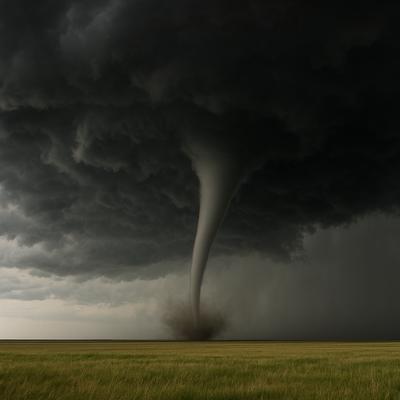

Is 'disaster' English, or is it actually Italian?

'Disaster' is a word borrowed from Italian 'disastro'. The word entered the English language some time around 1568.


disaster [noun] [1568]
  • an unfavorable aspect of a planet or star
  • a sudden calamitous event bringing great damage, loss, or destruction
  • a sudden or great misfortune or failure

Meaning: an unfavorable aspect of a planet or star; a sudden calamitous event bringing great damage; loss; or destruction; a sudden or great misfortune or failure the party was a disaster.

Etymology: Middle French & Old Italian; Middle French desastre; from Old Italian disastro; from dis- (from Latin) + astro star; from Latin astrum astral.

Topics: Society:Culture.

Origin: From Italian to English.
See 'disaster' on the Loan Words Map

See more loan words from Italian.
See more loan words from 1500s.


The word 'bezoar' originally came from Persian as 'pādzahr'

'Bezoar' is a word borrowed from Persian 'pādzahr'. The word entered the English language some time around 1577.


bezoar [noun] [1577]
Any of various calculi found chiefly in the gastrointestinal organs and formerly believed to possess magical properties
Meaning: any of various calculi found chiefly in the gastrointestinal organs and formerly believed to possess magical properties called also bezoar stone.

Etymology: Middle French; from Medieval Latin; from Arabic dialect bezuwar; from Arabic bazahr; from Persian pad-zahr; from pad protecting (against) + zahr poison.

Topics: Society:Culture.

Origin: From Persian to English.
See 'bezoar' on the Loan Words Map

See more loan words from Persian.
See more loan words from 1500s.


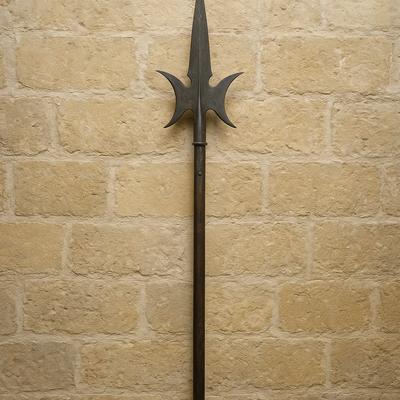
Do you speak a little Italian when you say 'partisan'?

'Partisan' is a word borrowed from Italian 'partigiano'. The word entered the English language some time around 1555.

partisan [noun] [1555]
  • a firm adherent to a , faction, cause, or person
  • one exhibiting blind, prejudiced, and unreasoning allegiance
  • a member of a body of detached light troops making forays and harassing an enemy
  • a member of a guerrilla band operating within enemy lines

Meaning: a firm adherent to a party ; faction; cause; or person; one exhibiting blind; prejudiced; and unreasoning allegiance; a member of a body of detached light troops making forays and harassing an enemy.

Etymology: Middle French partisan; from north Italian dialect partizan; from part part; party; from Latin part-; pars part.

Topics: Military:Warfare.

Origin: From Italian to English.
See 'partisan' on the Loan Words Map

See more loan words from Italian.
See more loan words from 1500s.