Showing posts with label 1910s. Show all posts

Saturday, 7 March 2026

The Dutch origins of the word 'geek'

'Geek' is a word borrowed from Dutch 'gekk'. The word entered the English language some time around 1914.


geek [noun] [1914]
  • a carnival performer often billed as a wild man whose act usually includes biting the head off a live chicken or snake
  • a person often of an intellectual bent who is disliked
  • an enthusiast or expert especially in a technological field or activity
See 'geek' on the Loan Words Map

See more loan words from Dutch.

note: Likely comes from Germanic words like the Dutch gekk or Middle Low German geck both meaning fool.
Etymology: Probably from English dialect 'geek, geck' fool, from Low German 'geck' from Middle Low German
See more loan words from 1910s.


Sunday, 1 March 2026

Do you speak a little Romani when you say 'shiv'?

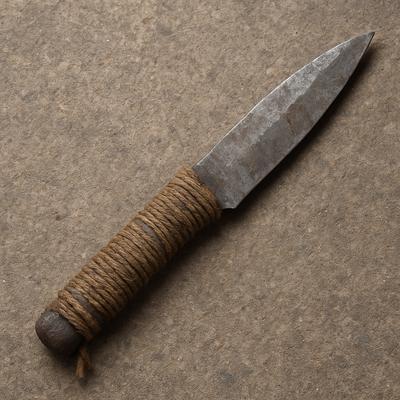
'Shiv' is a word borrowed from Romani 'chiv'. The word entered the English language some time around 1915.


shiv [noun] [1915]
Knife
See 'shiv' on the Loan Words Map

See more loan words from Romani.

note: Probably from Romani chiv ‘blade’.
Etymology: Alteration of 'chiv' of unknown origin
See more loan words from 1910s.

Monday, 6 November 2023

Do you speak a little Hindi when you say 'Bangalore torpedo'?

'Bangalore torpedo' is a word borrowed from Hindi 'Bangalore'. The word entered the English language some time around 1913.


Bangalore torpedo [noun] [1913]
A metal tube that contains explosives and a firing mechanism and is used to cut barbed wire and detonate buried mines
See 'Bangalore torpedo' on the Loan Words Map

See more loan words from Hindi.

Etymology: India
See more loan words from 1910s.

Monday, 7 August 2023

Did you know that 'pissoir' is actually French?

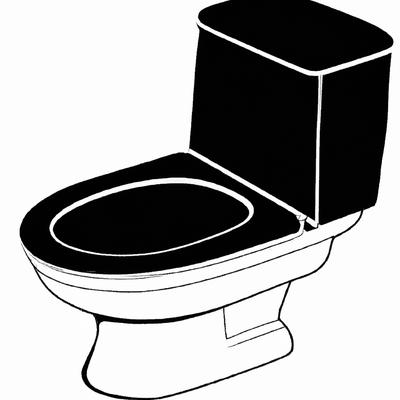
'Pissoir' is a word borrowed from French 'pissoir'. The word entered the English language some time around 1919.


pissoir [noun] [1919]
A public urinal usually located on the street in some European countries
See 'pissoir' on the Loan Words Map

See more loan words from French.

note: When it comes to toilet facilities the French always do march to a different drum.
Etymology: French, from Middle French, from 'pisser' to urinate, from Old French 'pisser, pissier'
See more loan words from 1910s.

Sunday, 13 November 2022

When you hear 'moron' are you hearing English or Greek?

'Moron' is a word borrowed from Greek 'mōros'. The word entered the English language some time around 1910.


moron [noun] [1910]
  • a person affected with mild mental retardation
  • a very stupid person
See 'moron' on the Loan Words Map

See more loan words from Greek.

Etymology: Irregular from Greek 'mōros' foolish, stupid
See more loan words from 1910s.

The French origins of the word 'chandelle'

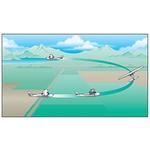
'Chandelle' is a word borrowed from French 'chandelle'. The word entered the English language some time around 1918.


chandelle [noun] [1918]
An abrupt climbing turn of an airplane in which the momentum of the plane is used to attain a higher rate of climb
See 'chandelle' on the Loan Words Map

See more loan words from French.

Etymology: French, literally, candle
See more loan words from 1910s.
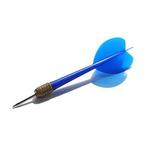

The word 'flechette' originally came from French as 'fléchette'

'Flechette' is a word borrowed from French 'fléchette'. The word entered the English language some time around 1915.


flechette [noun] [1915]
A small dart-shaped projectile that is clustered in an explosive warhead, dropped as a missile from an airplane, or fir...
See 'flechette' on the Loan Words Map

See more loan words from French.

Etymology: French, from diminutive of 'flèche' arrow
See more loan words from 1910s.


Friday, 11 November 2022

When you say 'pronto' are you speaking Spanish (USA)?

'Pronto' is a word borrowed from Spanish (USA) 'pronto'. The word entered the English language some time around 1911.


pronto [adverb] [1911]
Without delay
See 'pronto' on the Loan Words Map

See more loan words from Spanish (USA).

Etymology: Spanish, from Latin 'promptus' prompt
See more loan words from 1910s.
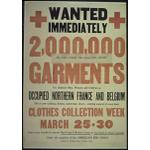

The German origins of the word 'strafe'

'Strafe' is a word borrowed from German 'strafe'. The word entered the English language some time around 1915.


strafe [verb] [1915]
To rake (as ground troops) with fire at close range and especially with machine-gun fire from low-flying aircraft
See 'strafe' on the Loan Words Map

See more loan words from German.

Etymology: German 'Gott strafe England' may God punish England, German propaganda slogan during World War I
See more loan words from 1910s.


Thursday, 10 November 2022

Did you know that 'vitamin' is actually German?

'Vitamin' is a word borrowed from German 'vitamin'. The word entered the English language some time around 1912.


vitamin [noun] [circa 1912]
Any of various organic substances that are essential in minute quantities to the nutrition of most animals and some pla...
See 'vitamin' on the Loan Words Map

See more loan words from German.

Etymology: Alteration of 'vitamine' from Latin 'vita' life + English 'amine'
See more loan words from 1910s.