Showing posts with label 1800s. Show all posts

Thursday, 29 October 2026

The word 'wanderlust' is originally from German 'Wanderlust'

'Wanderlust' is a word borrowed from German 'Wanderlust'. The word entered the English language some time around 1875.


wanderlust [noun] [1875]
Strong longing for or impulse toward
Meaning: strong desire to travel.

Etymology: Borrowed from German Wanderlust.

Topics: Travel:Transport.

Origin: From German to English.

note: Meaning: strong desire to travel. Etymology: Borrowed from German Wanderlust.
See 'wanderlust' on the Loan Words Map

See more loan words from German.
See more loan words from 1800s.


The word 'tycoon' originally came from Japanese as 'taikun'

'Tycoon' is a word borrowed from Japanese 'taikun'. The word entered the English language some time around 1857.


tycoon [noun] [1857]
  • shogun
  • a top leader (as in politics)
  • a businessman of exceptional wealth and power
  • magnate

Meaning: shogun; a top leader (as in politics); a businessman of exceptional wealth and power : magnate.

Etymology: Japanese taikun.

Topics: Economy:Finance.

Origin: From Japanese to English.
See 'tycoon' on the Loan Words Map

See more loan words from Japanese.
See more loan words from 1800s.


How the German language influenced English with the word 'zeitgeist'

'Zeitgeist' is a word borrowed from German 'zeitgeist'. The word entered the English language some time around 1835.


zeitgeist [noun] [1835]
The general intellectual, moral, and cultural climate of an era
Meaning: the general intellectual; moral; and cultural climate of an era.

Etymology: German; from Zeit + Geist spirit.

Topics: Society:Culture.

Origin: From German to English.

note: Etymology: Borrowed directly from German Zeitgeist. It is a compound of Zeit (time) and Geist (spirit/ghost or mind). Definition: The spirit of the time; the defining spirit/mood/characteristic attitude of a particular period in history often influencing the culture/politics/technology of that era.
See 'zeitgeist' on the Loan Words Map

See more loan words from German.
See more loan words from 1800s.


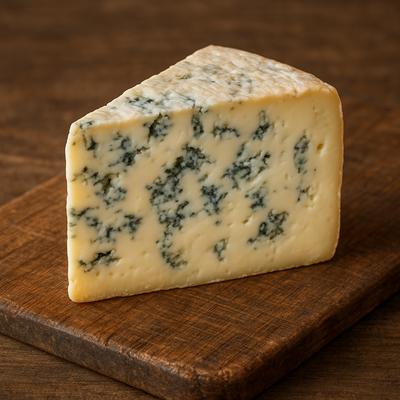
When you say 'gorgonzola' are you speaking Italian?

'Gorgonzola' is a word borrowed from Italian 'gorgonzola'. The word entered the English language some time around 1878.


gorgonzola [noun] [1878]
A pungent blue cheese of Italian origin
Meaning: Blue-veined Italian cheese with sharp flavor.

Etymology: Named for Gorgonzola in Italy where the cheese originated.

Origin: From Italian to English.

note: Meaning: Blue-veined Italian cheese with sharp flavor. Etymology: Named for Gorgonzola in Italy.
See 'gorgonzola' on the Loan Words Map

See more loan words from Italian.
See more loan words from 1800s.


Sunday, 25 October 2026

The Spanish (Mexico) roots of the word 'tequila'

'Tequila' is a word borrowed from Spanish (Mexico) 'tequila'. The word entered the English language some time around 1849.


tequila [noun] [1849]
A Mexican liquor distilled from the fermented sap of an agave (Agave tequilana)
Meaning: a Mexican liquor distilled from the fermented sap of an agave ( Agave tequilana ).

Etymology: Spanish; from Tequila; town in Jalisco state; Mexico.

Topics: Food:Beverages.

Origin: From Spanish to Nahuatl to English.

note: A Mexican spirit distilled from blue agave with protected designation around the town of Tequila Spanish name from the place likely of Nahuatl origin often contrasted with mezcal.
See 'tequila' on the Loan Words Map

See more loan words from Spanish (Mexico).
See more loan words from 1800s.


The Latin origins of the word 'tonsorial'

'Tonsorial' is a word borrowed from Latin 'tonsorius'. The word entered the English language some time around 1813.


tonsorial [adjective] [1813]
Of or relating to a barber or the work of a barber
Meaning: relating to barbers or barbering.

Etymology: From Latin tonsorius from tondere.

Topics: Society:Culture.

Origin: From Latin to English.

note: Meaning: Relating to barbers or barbering. Etymology: From Latin tonsorius from tondere. Path: Latin > English.
See 'tonsorial' on the Loan Words Map

See more loan words from Latin.
See more loan words from 1800s.


Monday, 19 October 2026

The word 'quinine' originally came from Quechua (Inca) as 'kina-kina'

'Quinine' is a word borrowed from Quechua (Inca) 'kina-kina'. The word entered the English language some time around 1825.


quinine [noun] [1825]
  • a bitter crystalline alkaloid CHNO from cinchona bark used in medicine
  • a salt of quinine used especially as an antipyretic, antimalarial, and bitter tonic

Meaning: a bitter crystalline alkaloid C 20 H 24 N 2 O 2 from cinchona bark used in medicine; a salt of quinine used especially as an antipyretic; antimalarial; and bitter tonic.

Etymology: Spanish quina cinchona; from Quechua kina bark.

Topics: Medicine:Remedies.

Origin: From French to Spanish to English.

note: Derived from French which took it from the Spanish quina or quinina based on the Quechua (Inca language) word kina-kina used to describe the bark of the Cinchona tree which is a source of the antimalarial drug.
See 'quinine' on the Loan Words Map

See more loan words from Quechua (Inca).
See more loan words from 1800s.


When you say 'leitmotif' are you speaking German?

'Leitmotif' is a word borrowed from German 'leitmotiv'. The word entered the English language some time around 1876.


leitmotif [noun] [circa 1876]
  • an associated melodic phrase or figure that accompanies the reappearance of an idea, person, or situation especially in...
  • a dominant recurring theme

Meaning: an associated melodic phrase or figure that accompanies the reappearance of an idea; person; or situation especially in a Wagnerian music drama; a dominant recurring theme.

Etymology: German Leitmotiv; from leiten to lead + Motiv motive.

Topics: Arts:Music.

Origin: From German to English.

note: Etymology: Borrowed from German Leitmotiv coined in the 19th century. It is a compound of leiten (to lead) and Motiv (motive). Definition: A recurring musical theme or phrase associated with a particular character/idea/mood/location often used in operas (especially Richard Wagner's) and film scores to provide structure and thematic storytelling.
See 'leitmotif' on the Loan Words Map

See more loan words from German.
See more loan words from 1800s.


When you say 'credenza' are you speaking Italian?

'Credenza' is a word borrowed from Italian 'credenza'. The word entered the English language some time around 1880.


credenza [noun] [1880]
  • credence
  • a sideboard, buffet, or bookcase patterned after a Renaissance
  • one without legs

Meaning: credence 3; a sideboard; buffet; or bookcase patterned after a Renaissance credence; one without legs.

Etymology: Italian; literally; belief; confidence; from Medieval Latin credentia.

Topics: Household:Furniture.

Origin: From Italian to Latin to English.

note: From the Italian credenza meaning belief trust or confidence which derives from the Medieval Latin credentia and Latin credere (to believe). It refers to the 16th-century Italian practice of placing food on a sideboard to be tasted by servants for poison before serving it to nobles symbolizing trust in the food's safety.
See 'credenza' on the Loan Words Map

See more loan words from Italian.
See more loan words from 1800s.


How the Japanese language influenced English with the word 'kimono'

'Kimono' is a word borrowed from Japanese 'kimono'. The word entered the English language some time around 1886.


kimono [noun] [1886]
  • a long robe with wide sleeves traditionally worn with a broad sash as an outer garment by the Japanese
  • a loose dressing gown or jacket

Meaning: Japanese robe with wide sleeves.

Etymology: Borrowed from Japanese kimono.

Topics: Clothing:Garments.

Origin: From Japanese to English.

note: Meaning: Japanese robe with wide sleeves. Etymology: Borrowed from Japanese kimono.
See 'kimono' on the Loan Words Map

See more loan words from Japanese.
See more loan words from 1800s.


The Latin roots of the word 'liminal'

'Liminal' is a word borrowed from Latin 'limen'. The word entered the English language some time around 1884.


liminal [adjective] [1884]
  • of or relating to a sensory threshold
  • barely perceptible
  • of, relating to, or being an intermediate state, phase, or condition
  • in-between

Meaning: of or relating to a sensory threshold; barely perceptible; of; relating to; or being an intermediate state; phase; or condition : in-between transitional in the liminal state between life and death Deborah Jowitt.

Etymology: Latin limin-; limen threshold.

Topics: Society:Culture.

Origin: From Latin to English.

note: Derived from the Latin limen meaning threshold. Liminal entered English in the late 19th century through psychological contexts - referring to a threshold of perception.
See 'liminal' on the Loan Words Map

See more loan words from Latin.
See more loan words from 1800s.


The word 'hinterland' is a loan word from German 'Hinterland'

'Hinterland' is a word borrowed from German 'Hinterland'. The word entered the English language some time around 1890.


hinterland [noun] [1890]
  • a region lying inland from a coast
  • a region remote from urban areas
  • a region lying beyond major metropolitan or cultural centers

Meaning: inland region beyond coast.

Etymology: Borrowed from German Hinterland.

Topics: Geography:Regions.

Origin: From German to English.

note: Meaning: inland region beyond coast. Etymology: Borrowed from German Hinterland.
See 'hinterland' on the Loan Words Map

See more loan words from German.
See more loan words from 1800s.


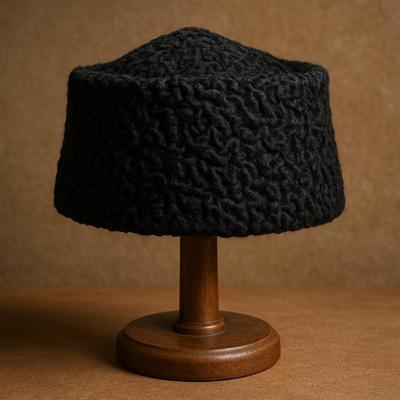
The Russian origins of the word 'karakul'

'Karakul' is a word borrowed from Russian 'karakul'. The word entered the English language some time around 1853.


karakul [noun] [1853]
  • any of a breed of hardy fat-tailed sheep of central Asian origin with a narrow body and coarse wiry fur
  • the usually curly glossy black coat of a very young karakul lamb valued as fur

Meaning: any of a breed of hardy fat-tailed sheep of central Asian origin with a narrow body and coarse wiry fur; the usually curly glossy black coat of a very young karakul lamb valued as fur compare broadtail 2 persian lamb 1.

Etymology: Karakul; village in Uzbekistan.

Topics: Animals:Mammals, Materials:Textiles.

Origin: From Russian to English.
See 'karakul' on the Loan Words Map

See more loan words from Russian.
See more loan words from 1800s.


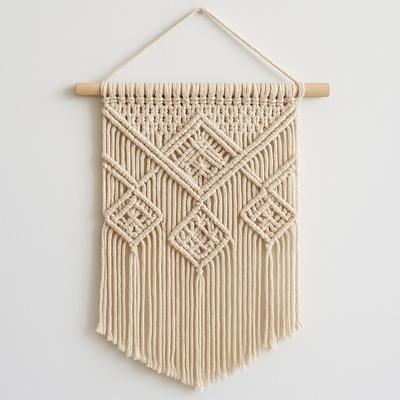
When you say 'macramé' are you speaking Arabic?

'Macramé' is a word borrowed from Arabic 'miqrama'. The word entered the English language some time around 1865.


macramé [noun] [1865]
  • a coarse lace or fringe made by knotting threads or cords in a geometrical pattern
  • the art of tying knots in patterns

Meaning: a coarse lace or fringe made by knotting threads or cords in a geometrical pattern; the art of tying knots in patterns.

Etymology: French or Italian; French macrame; from Italian macrame; from Turkish makrama napkin; towel; from Arabic miqrama coverlet.

Topics: Materials:Textiles.

Origin: From Arabic to English.
See 'macramé' on the Loan Words Map

See more loan words from Arabic.
See more loan words from 1800s.


Did you know that 'palimpsest' is actually Greek?

'Palimpsest' is a word borrowed from Greek 'palimpsēstos'. The word entered the English language some time around 1825.


palimpsest [noun] [1825]
  • writing material (as a parchment or tablet) used one or more times after earlier writing has been erased
  • something having usually diverse layers or aspects apparent beneath the surface

Meaning: writing material (as a parchment or tablet) used one or more times after earlier writing has been erased; something having usually diverse layers or aspects apparent beneath the surface Canada ... is a palimpsest ; an overlay of classes and generations Margaret Atwood.

Etymology: Latin palimpsestus; from Greek palimpsestos scraped again; from palin + psen to rub; scrape; akin to Sanskrit psati; babhasti he chews.

Topics: Arts:Visual.

Origin: From Greek to English.
See 'palimpsest' on the Loan Words Map

See more loan words from Greek.
See more loan words from 1800s.


Is 'sauna' English, or is it actually Finnish?

'Sauna' is a word borrowed from Finnish 'sauna'. The word entered the English language some time around 1881.


sauna [noun] [1881]
  • a Finnish steam bath in which the steam is provided by water thrown on hot stones
  • a bathhouse or room used for such a bath
  • a dry heat bath
  • a room or cabinet used for such a bath

Meaning: Finnish steam bath with hot stones.

Etymology: Borrowed from Finnish sauna.

Topics: Health:Wellness.

Origin: From Finnish to English.

note: Meaning: Finnish steam bath with hot stones. Etymology: Borrowed from Finnish sauna.
See 'sauna' on the Loan Words Map

See more loan words from Finnish.
See more loan words from 1800s.


When you hear 'paprika' are you hearing English or Hungarian?

'Paprika' is a word borrowed from Hungarian 'paprika'. The word entered the English language some time around 1843.


paprika [noun] [1843]
  • a usually mild red condiment consisting of the dried finely ground pods of various sweet peppers
  • a sweet pepper used for making paprika

Meaning: mild red pepper spice.

Etymology: From Hungarian paprika from Serbian Croatian papar from Latin piper.

Topics: Plants:Herbs, Food:Spices.

Origin: From Latin to Serbian Croatian to Hungarian to English.

note: Meaning: mild red pepper spice. Etymology: From Hungarian paprika from Serbian Croatian papar from Latin piper.
See 'paprika' on the Loan Words Map

See more loan words from Hungarian.
See more loan words from 1800s.

The German origins of the word 'kindergarten'

'Kindergarten' is a word borrowed from German 'Kindergarten'. The word entered the English language some time around 1852.


kindergarten [noun] [1852]
A school or class for children usually from four to six years old
Meaning: school for very young children.

Etymology: Borrowed from German Kindergarten.

Topics: Society:Education.

Origin: From German to English.

note: Meaning: school for very young children. Etymology: Borrowed from German Kindergarten.
See 'kindergarten' on the Loan Words Map

See more loan words from German.
See more loan words from 1800s.
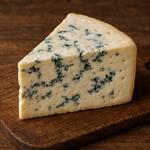

The Latin roots of the word 'miscegenation'

'Miscegenation' is a word borrowed from Latin 'miscēre'. The word entered the English language some time around 1863.


miscegenation [noun] [1863]
  • a mixture of races
  • marriage, cohabitation, or sexual intercourse between a white person and a member of another race

Meaning: a mixture of races; marriage; cohabitation; or sexual intercourse between a white person and a member of another race.

Etymology: irregular from Latin miscere to mix + genus race mix; kin.

Topics: Society:Culture.

Origin: From Latin to English.

note: Coined in 1864 in the United States by journalist David Goodman Croly. Etymology: A hybrid word formed from two Latin roots - miscēre: to mix (from PIE root *meik-) and genus: race/kind/descent (from PIE root *gene-). Context: miscegenation first appeared in an anonymous pro-abolitionist pamphlet designed to stir up controversy during the 1864 U.S. presidential election intended to replace the older term amalgamation.
See 'miscegenation' on the Loan Words Map

See more loan words from Latin.
See more loan words from 1800s.


Do you speak a little Dutch when you say 'hunk'?

'Hunk' is a word borrowed from Dutch 'hunk'. The word entered the English language some time around 1813.
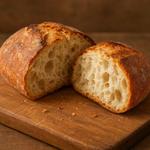

hunk [noun] [circa 1813]
  • a large lump, piece, or portion
  • an attractive and usually well-built man

Meaning: a large lump; piece; or portion a hunk of bread; an attractive and usually well-built man.

Etymology: Dutch dialect hunke.

Topics: Society:Culture.

Origin: From Dutch to English.
See 'hunk' on the Loan Words Map

See more loan words from Dutch.
See more loan words from 1800s.