Showing posts with label Amerindian. Show all posts

Saturday, 7 March 2026

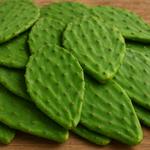
The word 'nopal' originally came from Amerindian as 'nopalli'

'Nopal' is a word borrowed from Amerindian 'nopalli'. The word entered the English language some time around 1730.
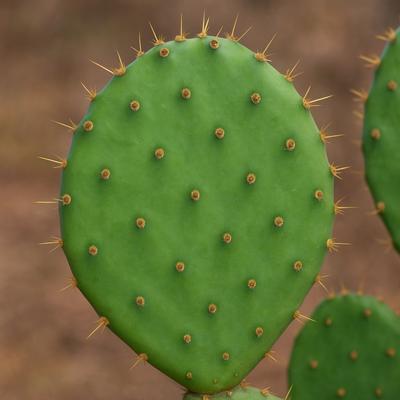

nopal [noun] [1730]
  • any of a genus (Nopalea) of cacti of Mexico and Central America that differ from the prickly pears in having erect pe...
  • prickly pear
  • a fleshy young tender stem segment of the prickly pear cactus (especially ) or the nopal cactus used as food
See 'nopal' on the Loan Words Map
See more loan words from Amerindian.

Etymology: Spanish, from Nahuatl 'nohpalli'
See more loan words from 1700s.


Wednesday, 4 March 2026

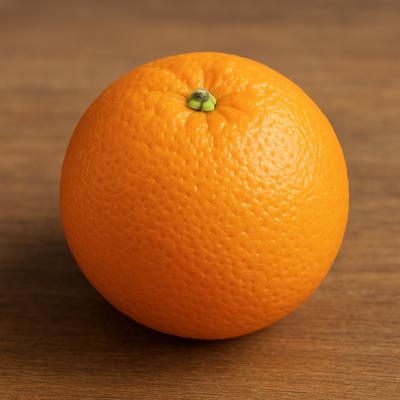
The word 'persimmon' is a loan word from Amerindian 'pasiminan'

'Persimmon' is a word borrowed from Amerindian 'pasiminan'. The word entered the English language some time around 1612.


persimmon [noun] [1612]
  • any of a genus (Diospyros) of trees of the ebony family with hard fine wood, oblong leaves, and small bell-shaped flo...
  • an eastern United States tree D. kaki (D. virginiana) or a Japanese tree ()
  • the usually orange several-seeded globular berry of a persimmon that is edible when fully ripe but usually extremely as...
See 'persimmon' on the Loan Words Map

See more loan words from Amerindian.

Etymology: Virginia Algonquian 'pessemmin'
See more loan words from 1600s.


Monday, 6 November 2023

Is 'coyote' English, or is it actually Amerindian?

'Coyote' is a word borrowed from Amerindian 'coyotl'. The word entered the English language some time around 1759.


coyote [noun] [1759]
  • a buff-gray to reddish-gray North American canid (Canis latrans) closely related to but smaller than the wolf
  • one who smuggles immigrants into the United States
See 'coyote' on the Loan Words Map

See more loan words from Amerindian.

Etymology: Mexican Spanish, from Nahuatl 'coyōtl'
See more loan words from 1700s.

Monday, 7 August 2023

Is 'potlatch' English, or is it actually Amerindian?

'Potlatch' is a word borrowed from Amerindian 'paɬaˑč'. The word entered the English language some time around 1861.


potlatch [noun] [circa 1861]
  • a ceremonial feast of the American Indians of the northwest coast marked by the host's lavish distribution of gifts or ...
  • a social event or celebration
See 'potlatch' on the Loan Words Map

See more loan words from Amerindian.

Etymology: Chinook Jargon 'patlač' from Nootka 'p̓aƛp̓ač'
See more loan words from 1800s.


Saturday, 19 November 2022

Did you know that 'toboggan' is actually Amerindian?

'Toboggan' is a word borrowed from Amerindian 'topaĝan'. The word entered the English language some time around 1820.


toboggan [noun] [circa 1820]
  • a long flat-bottomed light sled made usually of thin boards curved up at one end with usually low handrails at the side...
  • a downward course or a sharp decline
  • stocking cap
See 'toboggan' on the Loan Words Map

See more loan words from Amerindian.

Etymology: Canadian French 'tobogan' of Algonquian origin; akin to Micmac 'tobâgun' drag made of skin
See more loan words from 1800s.


Sunday, 13 November 2022

The Amerindian origins of the word 'hickory'

'Hickory' is a word borrowed from Amerindian 'pawcohiccora'. The word entered the English language some time around 1670.


hickory [noun] [1670]
  • any of a genus (Carya) of North American hardwood trees of the walnut family that often have sweet edible nuts
  • the usually tough wood of a hickory
  • a switch or cane (as of hickory wood) used especially for punishing a child
See 'hickory' on the Loan Words Map

See more loan words from Amerindian.

Etymology: Short for obsolete 'pokahickory' from Virginia Algonquian 'pawcohiccora' food prepared from pounded nuts
See more loan words from 1600s.


Saturday, 12 November 2022

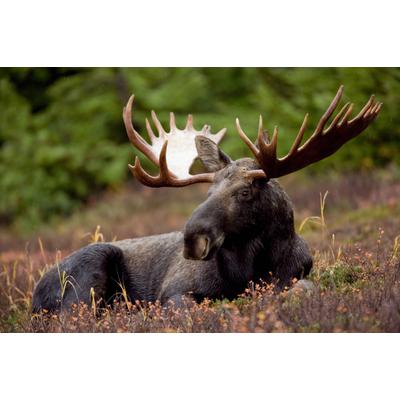
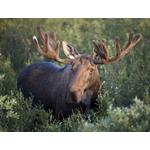
The word 'moose' originally came from Amerindian as 'mos'

'Moose' is a word borrowed from Amerindian 'mos'. The word entered the English language some time around 1603.


moose [noun] [1603]
  • a ruminant mammal (Alces alces) with humped shoulders, long legs, and broadly palmated antlers that is the largest ex...
  • a member of a major benevolent and fraternal order
See 'moose' on the Loan Words Map

See more loan words from Amerindian.

Etymology: Of Algonquian origin; akin to Massachusett 'moos' moose
See more loan words from 1600s.


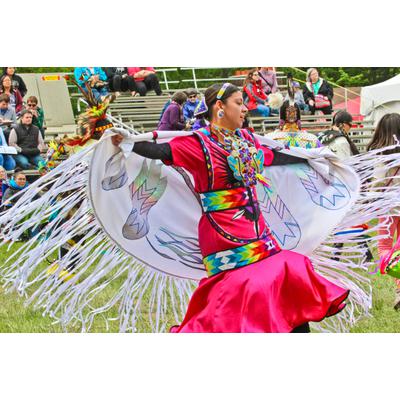
Do you speak a little Amerindian when you say 'powwow'?

'Powwow' is a word borrowed from Amerindian 'powwow'. The word entered the English language some time around 1624.


powwow [noun] [1624]
  • an American Indian medicine man
  • an American Indian ceremony (as for victory in war)
  • an American Indian social gathering or fair usually including competitive dancing
  • a social get-together
See 'powwow' on the Loan Words Map

See more loan words from Amerindian.

Etymology: Narragansett 'powwaw' or Massachusett 'pauwau'
See more loan words from 1600s.


Friday, 11 November 2022

The Amerindian roots of the word 'caucus'

'Caucus' is a word borrowed from Amerindian 'caucus'. The word entered the English language some time around 1760.


caucus [noun] [1760]
  • a closed meeting of a group of persons belonging to the same political party or faction usually to select candidates or...
  • a group of people united to promote an agreed-upon cause
See 'caucus' on the Loan Words Map

See more loan words from Amerindian.

note: Algonquian - cau'-cau'-as'u ‘adviser’.
Etymology: origin unknown
See more loan words from 1700s.

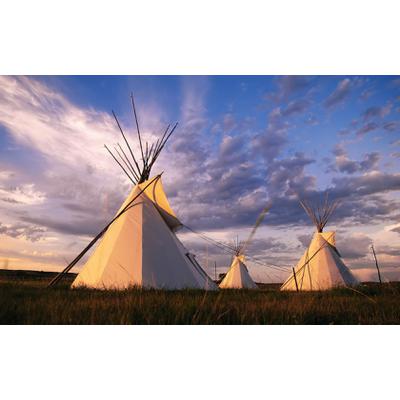
Did you know that 'wigwam' is actually Amerindian?

'Wigwam' is a word borrowed from Amerindian 'wigwam'. The word entered the English language some time around 1628.


wigwam [noun] [1628]
  • a hut of the American Indians of the Great Lakes region and eastward having typically an arched framework of poles over...
  • a rough hut
See 'wigwam' on the Loan Words Map

See more loan words from Amerindian.

Etymology: Eastern Abenaki 'wìkəwαm' house
See more loan words from 1600s.


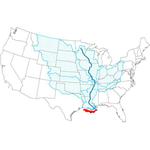
Is 'Mississippi' English, or is it actually Amerindian?

'Mississippi' is a word borrowed from Amerindian 'Mississippi'.


Mississippi [geographical name] [(unknown)]
  • river 2340 miles (3765 ) kilometers United States flowing from cen cen Minnesota to Gulf of Mexico
  • river 105 miles (169 ) Canada in kilometers Ontario flowing & into Ottawa River
  • state area United States ✽ Jackson square miles 47,689 square kilometers (123,514 ), pop 2,844,658
See 'Mississippi' on the Loan Words Map

See more loan words from Amerindian.

note: The original Native American name meant big river.
Etymology: -
See more loan words from (unknown date).

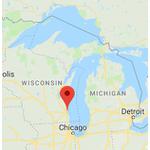
Did you know that 'Milwaukee' is actually Amerindian?

'Milwaukee' is a word borrowed from Amerindian 'Millioke'.


Milwaukee [geographical name] [(unknown)]
City & port pop Wisconsin on Lake Michigan 596,974
See 'Milwaukee' on the Loan Words Map

See more loan words from Amerindian.

note: Algonquian word Millioke meaning Good Beautiful and Pleasant Land.
Etymology: -
See more loan words from (unknown date).

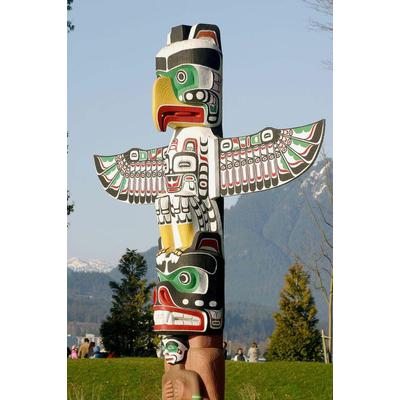
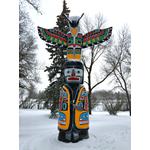
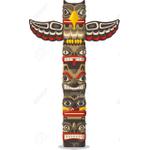
How the Amerindian language influenced English with the word 'totem'

'Totem' is a word borrowed from Amerindian 'totem'. The word entered the English language some time around 1776.


totem [noun] [circa 1776]
  • an object (as an animal or plant) serving as the emblem of a family or clan and often as a reminder of its ancestry
  • a usually carved or painted representation of such an object
  • a family or clan identified by a common object
  • one that serves as an emblem or revered symbol
See 'totem' on the Loan Words Map

See more loan words from Amerindian.

Etymology: Ojibwa 'oto·te·man' his totem
See more loan words from 1700s.

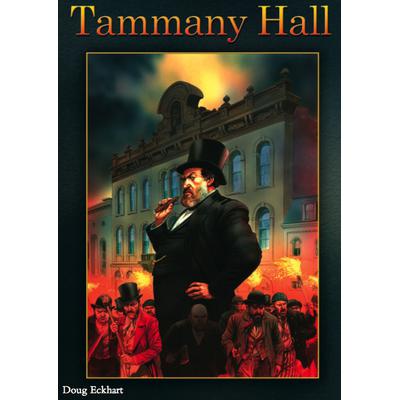
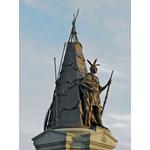
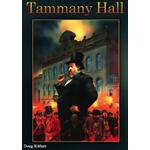
When you say 'Tammany' are you speaking Amerindian?

'Tammany' is a word borrowed from Amerindian 'Tammany'. The word entered the English language some time around 1872.


Tammany [adjective] [1872]
Of, relating to, or constituting a group or organization exercising or seeking municipal political control by methods o...
See 'Tammany' on the Loan Words Map

See more loan words from Amerindian.

note: Named after a North American Indian chief of the late 17th century in Pennsylvania.
Etymology: headquarters of the Tammany Society, political organization in New York City
See more loan words from 1800s.
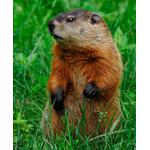
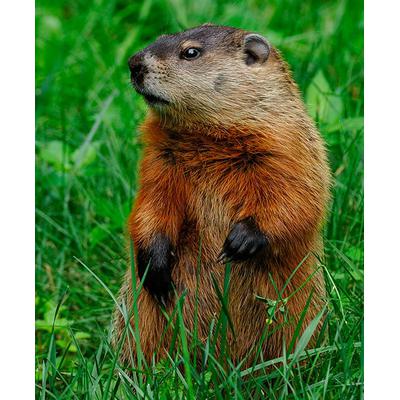
The word 'woodchuck' originally came from Amerindian as 'wuchak'

'Woodchuck' is a word borrowed from Amerindian 'wuchak'. The word entered the English language some time around 1674.


woodchuck [noun] [1674]
A grizzled thickset marmot (Marmota monax) chiefly of Alaska, Canada, and the northeastern United States
See 'woodchuck' on the Loan Words Map

See more loan words from Amerindian.

Etymology: By folk etymology from a word of Algonquian origin; akin to Narragansett 'ockqutchaun' woodchuck
See more loan words from 1600s.
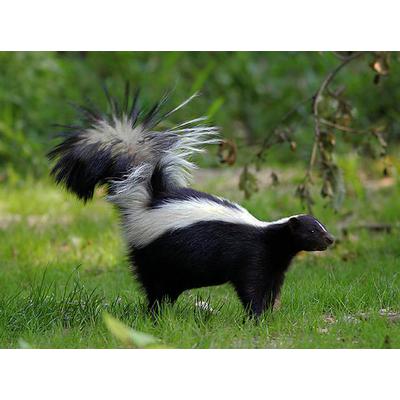

When you say 'skunk' are you speaking Amerindian?

'Skunk' is a word borrowed from Amerindian 'segankw'. The word entered the English language some time around 1634.


skunk [noun] [1634]
  • any of various common omnivorous black-and-white New World mammals (especially genus ) of the weasel family that have a...
  • the fur of a skunk
  • an obnoxious or disliked person
See 'skunk' on the Loan Words Map

See more loan words from Amerindian.

Etymology: Earlier 'squuncke' from a Massachusett reflex of Algonquian '*šeka·kwa' from 'šek-' urinate + '-a·kw' fox, fox-like animal
See more loan words from 1600s.

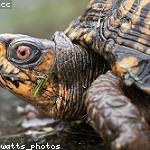
The Amerindian roots of the word 'terrapin'

'Terrapin' is a word borrowed from Amerindian 'terrapin'. The word entered the English language some time around 1613.


terrapin [noun] [1613]
  • any of various aquatic turtles (family Emydidae)
  • diamondback terrapin
See 'terrapin' on the Loan Words Map

See more loan words from Amerindian.

Etymology: Alteration of earlier 'torope' from Virginia Algonquian '*to·rəpe·w'
See more loan words from 1600s.


Thursday, 10 November 2022

Do you speak a little Amerindian when you say 'wampum'?

'Wampum' is a word borrowed from Amerindian 'wampum'. The word entered the English language some time around 1636.


wampum [noun] [1636]
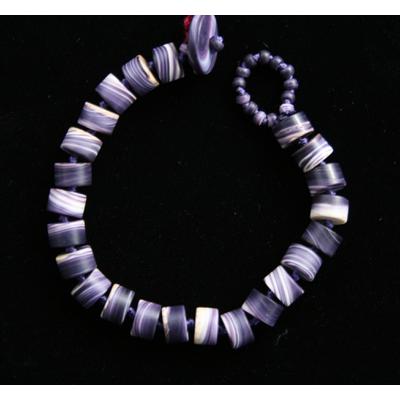
  • beads of polished shells strung in strands, belts, or sashes and used by North American Indians as money, ceremonial pl...
  • money
See 'wampum' on the Loan Words Map

See more loan words from Amerindian.

Etymology: Short for 'wampumpeag'
See more loan words from 1600s.


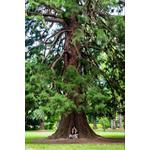
Amerindian 'Sequoya' in the English language

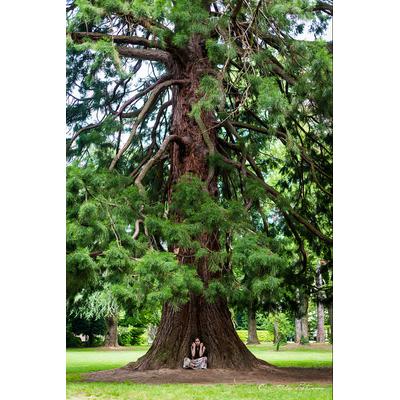
'Sequoia' is a word borrowed from Amerindian 'Sequoya'. The word entered the English language some time around 1866.


sequoia [noun] [circa 1866]
  • either of two huge coniferous California trees of the bald cypress family that may reach a height of over 300 feet (90 ...
  • giant sequoia
  • redwood
See 'sequoia' on the Loan Words Map

See more loan words from Amerindian.

note: From Sequoya - the name of the Cherokee Indian who invented the Cherokee syllabary.
Etymology: New Latin, genus name, from 'Sequoya' (George Guess)
See more loan words from 1800s.


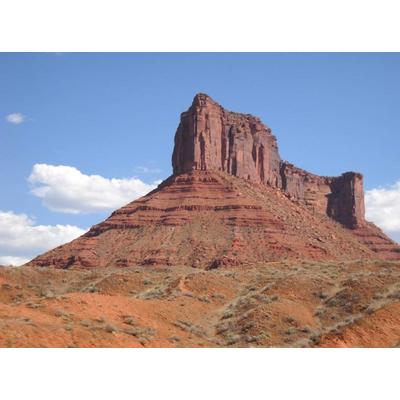
The word 'Utah' is a loan word from Amerindian 'Ute'

'Utah' is a word borrowed from Amerindian 'Ute'.


Utah [geographical name] [(unknown)]
State area United States ✽ Salt Lake City square miles 84,899 square kilometers (219,888 ), pop 2,233,169
See 'Utah' on the Loan Words Map

See more loan words from Amerindian.

note: From the Ute tribe ('people of the mountains' ) or from Apache 'Yuttahih' meaning 'those that are higher up'.
Etymology: -
See more loan words from (unknown date).