Showing posts with label 1930s. Show all posts

Monday, 19 October 2026

Is 'flak' English, or is it actually German?

'Flak' is a word borrowed from German 'flak'. The word entered the English language some time around 1938.


flak [noun] [1938]
  • antiaircraft guns
  • the bursting shells fired from flak
  • criticism

Meaning: antiaircraft guns; the bursting shells fired from flak; criticism opposition.

Etymology: German; from Fl ieger a bwehr k anonen; from Flieger flyer + Abwehr defense + Kanonen cannons.

Topics: Military:Weapons.

Origin: From German to English.
See 'flak' on the Loan Words Map

See more loan words from German.
See more loan words from 1930s.


The word 'lox' is a loan word from Yiddish 'laks'

'Lox' is a word borrowed from Yiddish 'laks'. The word entered the English language some time around 1939.


lox [noun] [1939]
Salmon that has been cured in brine and sometimes smoked
Meaning: salmon that has been cured in brine and sometimes smoked.

Etymology: Yiddish laks; from Middle High German lahs salmon; from Old High German; akin to Old English leax salmon.

Topics: Animals:Fish.

Origin: From Yiddish to German to English.

note: Brined and sometimes smoked salmon from Yiddish laks via Germanic not related to Scandinavian gravlax.
See 'lox' on the Loan Words Map

See more loan words from Yiddish.
See more loan words from 1930s.

Monday, 23 February 2026

Is 'muesli' English, or is it actually German (Swiss)?

'Muesli' is a word borrowed from German (Swiss) 'Müesli'. The word entered the English language some time around 1939.


muesli [noun] [1939]
A breakfast cereal of Swiss origin consisting of rolled oats, nuts, and fruit
See 'muesli' on the Loan Words Map

See more loan words from German (Swiss).

Etymology: German dialect (Swiss) 'Müsli' diminutive of German 'Mus' soft food, mush, from Old High German 'muos;' akin to Old English 'mōs' food and probably to Old English 'mete' food
See more loan words from 1930s.

Friday, 3 January 2025

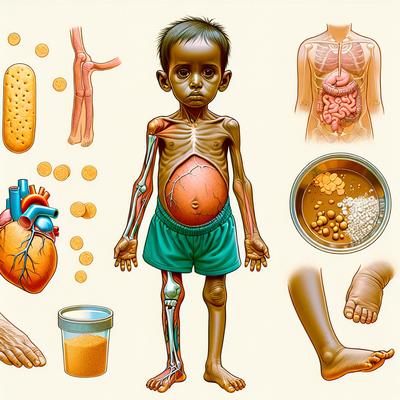
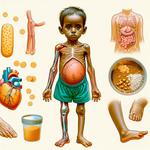
Ghanian 'kwashiorkor' in the English language

'Kwashiorkor' is a word borrowed from Ghanian 'kwashiorkor'. The word entered the English language some time around 1935.


kwashiorkor [noun] [1935]
Severe malnutrition in infants and children especially of impoverished regions caused by a diet low in protein
See 'kwashiorkor' on the Loan Words Map

See more loan words from Ghanian.

Etymology: Ga (Kwa language of coastal Ghana) 'kwàṣìɔkɔ́' influence a child is said to be under when a second child comes
See more loan words from 1930s.


Monday, 7 August 2023

How the French language influenced English with the word 'quiche'

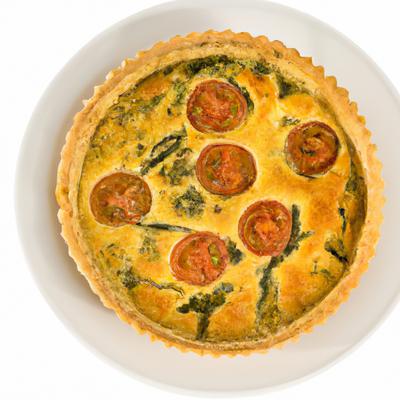
'Quiche' is a word borrowed from French 'Küchen'. The word entered the English language some time around 1933.


quiche [noun] [1933]
An unsweetened custard pie usually having a savory filling (as spinach, mushrooms, or ham)
See 'quiche' on the Loan Words Map

See more loan words from French.

Etymology: French, from French dialect (Lorraine)
See more loan words from 1930s.


The Yiddish roots of the word 'schmaltz'

'Schmaltz' is a word borrowed from Yiddish 'shmaltz'. The word entered the English language some time around 1935.


schmaltz [noun] [1935]
  • sentimental or florid music or art
  • sentimentality
See 'schmaltz' on the Loan Words Map

See more loan words from Yiddish.

Etymology: Yiddish 'shmalts' literally, rendered fat
See more loan words from 1930s.

Saturday, 19 November 2022

The word 'boondocks' is originally from Tagalog 'bundok'

'Boondocks' is a word borrowed from Tagalog 'bundok'. The word entered the English language some time around 1930.


boondocks [noun plural] [1930]
  • rough country filled with dense brush
  • a rural area
  • sticks
See 'boondocks' on the Loan Words Map

See more loan words from Tagalog.

Etymology: Tagalog 'bundok' mountain
See more loan words from 1930s.


Sunday, 13 November 2022

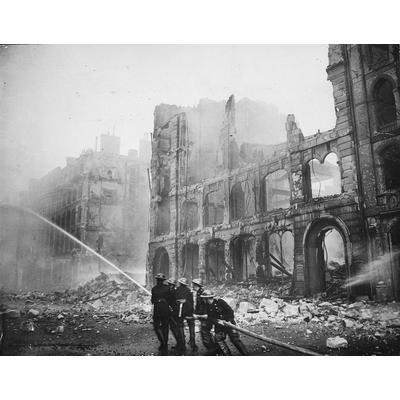
How the German language influenced English with the word 'blitz'

'Blitz' is a word borrowed from German 'blitz'. The word entered the English language some time around 1939.


blitz [noun] [circa 1939]
  • blitzkrieg
  • an intensive aerial military campaign
  • air raid
  • a fast intensive nonmilitary campaign or attack
See 'blitz' on the Loan Words Map

See more loan words from German.

Etymology: -
See more loan words from 1930s.