Showing posts with label Urdu. Show all posts

Sunday, 13 November 2022

Did you know that 'tank' is actually Urdu?

'Tank' is a word borrowed from Urdu 'tank'. The word entered the English language some time around 1609.


tank [noun] [1609]
  • pond
  • one built as a water supply
  • a usually large receptacle for holding, transporting, or storing liquids (as water or fuel)
  • an enclosed heavily armed and armored combat vehicle that moves on tracks
See 'tank' on the Loan Words Map

See more loan words from Urdu.

Etymology: Portuguese 'tanque' alteration of 'estanque' from 'estancar' to stanch, perhaps from Vulgar Latin '*stanticare'
See more loan words from 1600s.


Friday, 11 November 2022

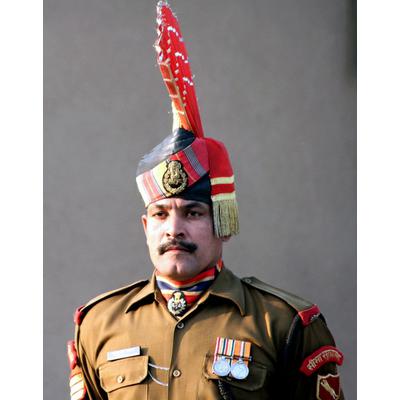
The Urdu origins of the word 'jawan'

'Jawan' is a word borrowed from Urdu 'jawan'.


jawan
(details not available)
See 'jawan' on the Loan Words Map

See more loan words from Urdu.

note: A male police constable or soldier.
Etymology: -
See more loan words from (unknown date).

Thursday, 10 November 2022

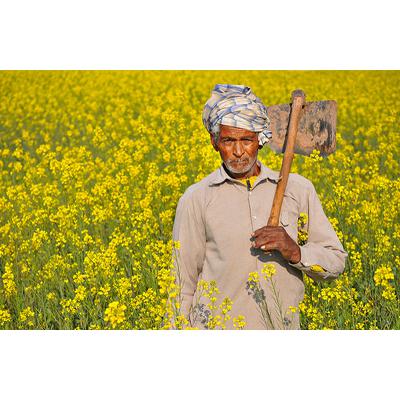
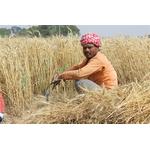
When you hear 'ryot' are you hearing English or Urdu?

'Ryot' is a word borrowed from Urdu 'ryot'.


ryot
(details not available)
See 'ryot' on the Loan Words Map

See more loan words from Urdu.

note: An Indian peasant or tenant farmer.
Etymology: -
See more loan words from (unknown date).

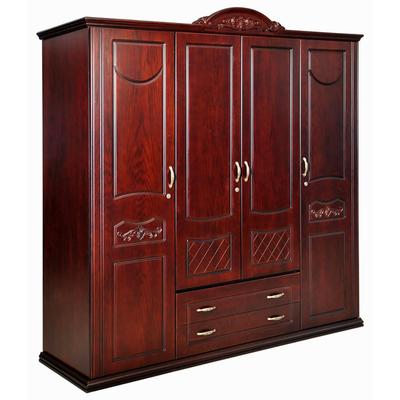
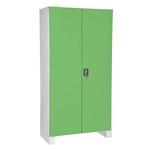
Is 'almirah' English, or is it actually Urdu?

'Almirah' is a word borrowed from Urdu 'almirah'.


almirah
(details not available)
See 'almirah' on the Loan Words Map

See more loan words from Urdu.

note: A free-standing cupboard or wardrobe.
Etymology: -
See more loan words from (unknown date).

How the Urdu language influenced English with the word 'sahib'

'Sahib' is a word borrowed from Urdu 'sahib'. The word entered the English language some time around 1673.


sahib [noun] [1673]
  • sir
  • used especially among the native inhabitants of colonial India when addressing or speaking of a European of some s...
See 'sahib' on the Loan Words Map

See more loan words from Urdu.

note: A polite title or form of address for a man.
Etymology: Hindi 'sāhab' & Urdu 'ṣāḥib, ṣāḥab' companion, master, from Arabic 'ṣāḥib'
See more loan words from 1600s.