Showing posts with label Carrib. Show all posts

Monday, 19 October 2026

Did you know that 'caiman' is actually Carrib?

'Caiman' is a word borrowed from Carrib 'cayman'. The word entered the English language some time around 1577.
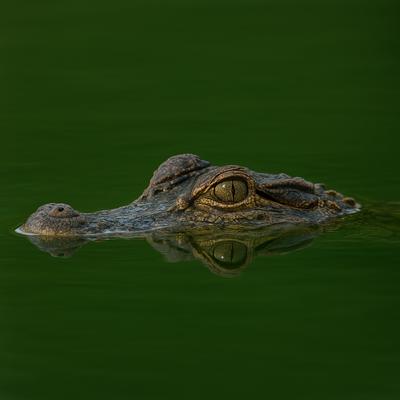

caiman [noun] [1577]
Any of several Central and South American crocodilians (genera Caiman, Melanosuchus, and ) similar to alligators
Meaning: any of several Central and South American crocodilians (genera Caiman; Melanosuchus; and Paleosuchus ) similar to alligators.

Etymology: Spanish caiman; probably from Carib cayman.

Topics: Animals:Reptiles.

Origin: From Spanish to Carib to English.

note: A Central and South American crocodilian similar to an alligator from Spanish caiman probably from a Carib word cayman.
See 'caiman' on the Loan Words Map
See more loan words from Carrib.
See more loan words from 1500s.


Tuesday, 8 August 2023

Did you know that 'yucca' is actually Carrib?

'Yucca' is a word borrowed from Carrib 'yuca'. The word entered the English language some time around 1664.


yucca [noun] [1664]
  • any of a genus (Yucca) of sometimes arborescent plants of the agave family that occur in warm regions chiefly of west...
  • cassava
See 'yucca' on the Loan Words Map

See more loan words from Carrib.

note: A wooden framed hut raised on piles and covered with branches leaves or rushes. Sometimes has an open structure.
Etymology: New Latin, from Spanish 'yuca' of unknown origin
See more loan words from 1600s.


Saturday, 19 November 2022

Do you speak a little Carrib when you say 'ajoupa'?

'Ajoupa' is a word borrowed from Carrib 'ajouppa'.


ajoupa
(details not available)
See 'ajoupa' on the Loan Words Map

See more loan words from Carrib.

note: A wooden framed hut raised on piles and covered with branches leaves or rushes. Sometimes has an open structure.
Etymology: -
See more loan words from (unknown date).