Showing posts with label Russian. Show all posts

Monday, 19 October 2026

The Russian origins of the word 'karakul'

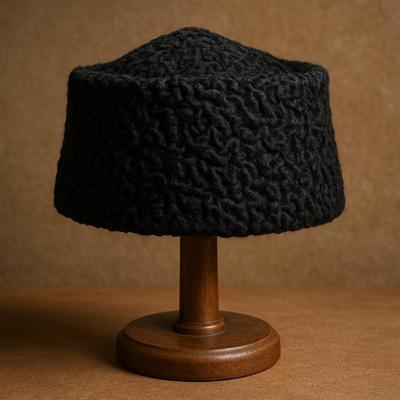
'Karakul' is a word borrowed from Russian 'karakul'. The word entered the English language some time around 1853.

karakul [noun] [1853]
  • any of a breed of hardy fat-tailed sheep of central Asian origin with a narrow body and coarse wiry fur
  • the usually curly glossy black coat of a very young karakul lamb valued as fur

Meaning: any of a breed of hardy fat-tailed sheep of central Asian origin with a narrow body and coarse wiry fur; the usually curly glossy black coat of a very young karakul lamb valued as fur compare broadtail 2 persian lamb 1.

Etymology: Karakul; village in Uzbekistan.

Topics: Animals:Mammals, Materials:Textiles.

Origin: From Russian to English.
See 'karakul' on the Loan Words Map

See more loan words from Russian.
See more loan words from 1800s.


The word 'dacha' originally came from Russian as 'davat'

'Dacha' is a word borrowed from Russian 'davat'. The word entered the English language some time around 1896.


dacha [noun] [1896]
A Russian country cottage used especially in the summer
Meaning: a Russian country cottage used especially in the summer.

Etymology: Russian; from Old Russian; land allotted by a prince; akin to Latin dos dowry date.

Topics: Architecture:Buildings.

Origin: From Russian to English.

note: The word dacha originates from the Russian verb davat (to give) and translates to a gift or allotment of land. Originally referring to land given by the Tsar to nobles in the 18th century. The word evolved to describe the country house built on that land becoming a staple of Russian leisure and gardening.
See 'dacha' on the Loan Words Map

See more loan words from Russian.
See more loan words from 1800s.


Saturday, 21 March 2026

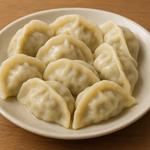
Is 'pelmeni' English, or is it actually Russian?

'Pelmeni' is a word borrowed from Russian 'pelmen'.


pelmeni
(details not available)
See 'pelmeni' on the Loan Words Map

See more loan words from Russian.

note: Russian meat dumplings that are often served in broth. Pelmeni became a staple of Russian cuisine during the period of Russian expansion into the Ural Mountains and Siberia. Pelmeni also have deep roots in the traditions and folklore of the Komi and Udmurtia regions of Russia and figure prominently in Komi and Udmurt cuisine.
Etymology: -
See more loan words from (unknown date).

Wednesday, 4 March 2026

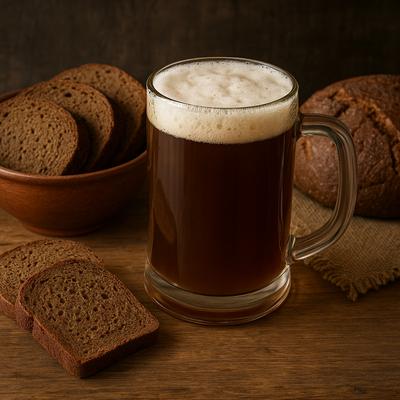
Did you know that 'kvass' is actually Russian?

'Kvass' is a word borrowed from Russian 'kvas'. The word entered the English language some time around 1553.


kvass [noun] [circa 1553]
A slightly alcoholic beverage of eastern Europe made from fermented mixed cereals and often flavored
See 'kvass' on the Loan Words Map

See more loan words from Russian.

note: Kvass (pronounced kvahs) is a traditional Slavic fermented low-alcohol beverage made from rye bread. The word comes from the Old East Slavic *kvasŭ (leaven fermented drink) rooted in the Proto-Slavic *kvasu which means sour or leaven. It is ultimately derived from the Proto-Indo-European root *kwh₂et- (to become sour or to ferment).
Etymology: Russian 'kvas'
See more loan words from 1500s.


Saturday, 28 February 2026

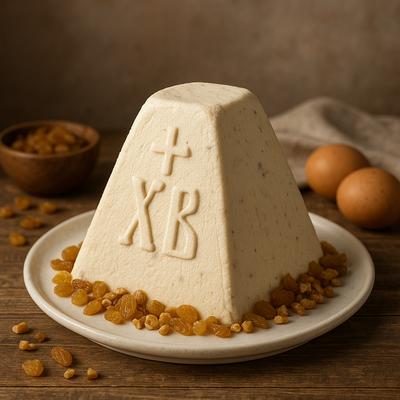
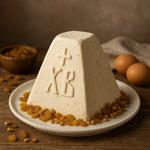
When you hear 'pashka' are you hearing English or Russian?

'Pashka' is a word borrowed from Russian 'pashka'.


pashka
(details not available)
See 'pashka' on the Loan Words Map

See more loan words from Russian.

note: Pashka (also spelled pasha**pascha or paskha; Russian: па́сха) is an Eastern European/Russian Orthodox cheese dessert with an etymology that directly links to the holiday it celebrates. The word pashka is derived from Pascha the Greek term for Easter which itself is a transliteration of the Aramaic pascha and the Hebrew pesach meaning Passover. Context: In Russian Paskha (Пасха) is the word for Easter. The dish is named after this as it is designed to be eaten specifically to break the fast after the Lenten period. Doublet: It is a doublet of the English word Pasch and the Ukrainian word paska (which refers to a similar but bread-based Easter tradition).
Etymology: -
See more loan words from (unknown date).

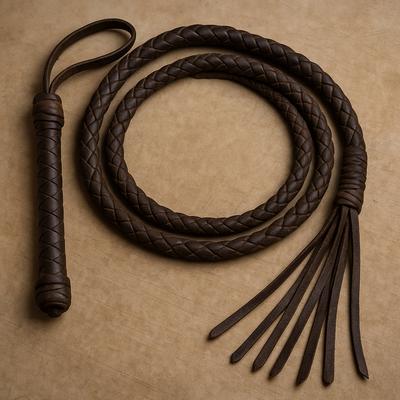
Is 'knout' English, or is it actually Russian?

'Knout' is a word borrowed from Russian 'knut'. The word entered the English language some time around 1716.


knout [noun] [1716]
A whip used for flogging
See 'knout' on the Loan Words Map

See more loan words from Russian.

note: A kind of whip with knots. Via French knout from Russian кнут (knut) from Old East Slavic кнутъ (knutŭ) from Old Norse knútr (“knot in a cord”).
Etymology: Russian 'knut' of Scandinavian origin; akin to Old Norse 'knūtr' knot; akin to Old English 'cnotta'
See more loan words from 1700s.


Friday, 3 January 2025

Do you speak a little Russian when you say 'pogrom'?

'Pogrom' is a word borrowed from Russian 'pogromit'. The word entered the English language some time around 1903.


pogrom [noun] [1903]
  • an organized massacre of helpless people
  • such a massacre of Jews
See 'pogrom' on the Loan Words Map

See more loan words from Russian.

Etymology: Yiddish, from Russian, literally, devastation
See more loan words from 1900s.


Tuesday, 8 August 2023

Do you speak a little Russian when you say 'vodka'?

'Vodka' is a word borrowed from Russian 'voda'. The word entered the English language some time around 1803.


vodka [noun] [circa 1803]
A colorless liquor of neutral spirits distilled from a mash (as of rye or wheat)
See 'vodka' on the Loan Words Map

See more loan words from Russian.

Etymology: Russian, from 'voda' water; akin to Old English 'wæter' water
See more loan words from 1800s.

Do you speak a little Russian when you say 'ukase'?

'Ukase' is a word borrowed from Russian 'ukazat'. The word entered the English language some time around 1729.


ukase [noun] [1729]
  • a proclamation by a Russian emperor or government having the force of law
  • edict
See 'ukase' on the Loan Words Map

See more loan words from Russian.

Etymology: French & Russian; French, from Russian 'ukaz' from 'ukazat'' to show, order; akin to Old Church Slavic 'u-' away, Latin 'au-' Sanskrit 'ava-' and to Old Church Slavic 'kazati' to show
See more loan words from 1700s.


Monday, 7 August 2023

How the Russian language influenced English with the word 'samovar'

'Samovar' is a word borrowed from Russian 'samovar'. The word entered the English language some time around 1830.


samovar [noun] [1830]
  • an urn with a spigot at its base used especially in Russia to boil water for tea
  • an urn similar to a Russian samovar with a device for heating the contents
See 'samovar' on the Loan Words Map

See more loan words from Russian.

Etymology: Russian, from 'samo-' self + 'varit'' to boil
See more loan words from 1800s.

How the Russian language influenced English with the word 'kurgan'

'Kurgan' is a word borrowed from Russian 'korgan'. The word entered the English language some time around 1889.


kurgan [noun] [1889]
A burial mound of eastern Europe or Siberia
See 'kurgan' on the Loan Words Map

See more loan words from Russian.

Etymology: Russian, of Turkic origin; akin to Turkish 'kurgan' fortress, castle
See more loan words from 1800s.

How the Russian language influenced English with the word 'kefir'

'Kefir' is a word borrowed from Russian 'kefir'. The word entered the English language some time around 1884.


kefir [noun] [1884]
A beverage of fermented cow's milk
See 'kefir' on the Loan Words Map

See more loan words from Russian.

Etymology: Russian
See more loan words from 1800s.

The Russian origins of the word 'borzoi'

'Borzoi' is a word borrowed from Russian 'borzyĭ'. The word entered the English language some time around 1887.


borzoi [noun] [1887]
Any of a breed of large dogs developed in Russia especially for pursuing wolves that have a long silky usually white co...
See 'borzoi' on the Loan Words Map

See more loan words from Russian.

Etymology: Russian 'borzoĭ' from 'borzoĭ' swift
See more loan words from 1800s.


Saturday, 19 November 2022

The Russian roots of the word 'beluga'

'Beluga' is a word borrowed from Russian 'belukha'. The word entered the English language some time around 1772.


beluga [noun] [1772]
  • a large white sturgeon ( syn. ) of the Black Sea, Caspian Sea, and their tributaries
  • caviar processed from beluga roe
  • a toothed whale (Delphinapterus leucas) of arctic and subarctic waters having a fusiform body that is about 10 to 15 ...
See 'beluga' on the Loan Words Map

See more loan words from Russian.

Etymology: Russian, from 'belyĭ' white; akin to Greek 'phalios' having a white spot
See more loan words from 1700s.


Sunday, 13 November 2022

How the Russian language influenced English with the word 'glasnost'

'Glasnost' is a word borrowed from Russian 'glasnost'. The word entered the English language some time around 1986.


glasnost [noun] [1986]
A Soviet policy permitting open discussion of political and social issues and freer dissemination of news and informati...
See 'glasnost' on the Loan Words Map

See more loan words from Russian.

Etymology: Russian 'glasnost'' literally, publicity, from 'glasnyĭ' public, from 'glas' voice, from Old Church Slavic 'glasŭ'
See more loan words from 1980s.


Friday, 11 November 2022

The Russian origins of the word 'sputnik'

'Sputnik' is a word borrowed from Russian 'sputnik'. The word entered the English language some time around 1957.


sputnik [noun] [1957]
Any of a series of earth-orbiting satellites launched by the Soviet Union beginning in 1957
See 'sputnik' on the Loan Words Map

See more loan words from Russian.

Etymology: Russian, literally, traveling companion, from 's, so' with + 'put'' path
See more loan words from 1950s.


Thursday, 10 November 2022

When you hear 'perestroika' are you hearing English or Russian?

'Perestroika' is a word borrowed from Russian 'perestroika'. The word entered the English language some time around 1986.


perestroika [noun] [1986]
The policy of economic and governmental reform instituted by Mikhail Gorbachev in the Soviet Union during the mid-1980s
See 'perestroika' on the Loan Words Map

See more loan words from Russian.

Etymology: Russian 'perestroĭka' literally, restructuring
See more loan words from 1980s.