Monday, 6 November 2023

The Italian origins of the word 'carrozzo'

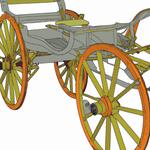
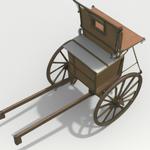
'Carrozzo' is a word borrowed from Italian 'carrozzo'.


carrozzo
(details not available)
See 'carrozzo' on the Loan Words Map

See more loan words from Italian.

note: Tuscan adaptation of carrossa. Carriage (horse-drawn or railway/railroad).
Etymology: -
See more loan words from (unknown date).

How the Latin language influenced English with the word 'lagoon'

'Lagoon' is a word borrowed from Latin 'lacuna'. The word entered the English language some time around 1673.


lagoon [noun] [1673]
  • a shallow sound, channel, or pond near or communicating with a larger body of water
  • a shallow artificial pool or pond (as for the processing of sewage or storage of a liquid)
See 'lagoon' on the Loan Words Map

See more loan words from Latin.

Etymology: French & Italian; French 'lagune' from Italian 'laguna' from Latin 'lacuna' pit, pool, from 'lacus' lake
See more loan words from 1600s.


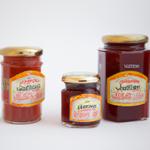
Is 'marmalade' English, or is it actually Portuguese?

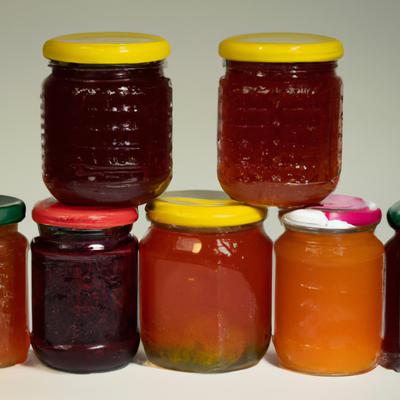
'Marmalade' is a word borrowed from Portuguese 'marmelada'. The word entered the English language some time around 1676.


marmalade [noun] [circa 1676]
A clear sweetened jelly in which pieces of fruit and fruit rind are suspended
See 'marmalade' on the Loan Words Map

See more loan words from Portuguese.

Etymology: Middle English 'marmelat' quince conserve, Portuguese 'marmelada' from 'marmelo' quince, from Latin 'melimelum' a sweet apple, from Greek 'melimēlon' from 'meli' honey + 'mēlon' apple
See more loan words from 1600s.


The Latin origins of the word 'attic'

'Attic' is a word borrowed from Latin 'atticus'. The word entered the English language some time around 1696.


attic [noun] [circa 1696]
  • a low story or wall above the main order of a facade in the classical styles
  • a room behind an attic
  • a room or a space immediately below the roof of a building
  • garret
  • something resembling an attic (as in being used for storage)
See 'attic' on the Loan Words Map

See more loan words from Latin.

Etymology: French 'attique' from 'attique' of Attica, from Latin 'Atticus'
See more loan words from 1600s.


Do you speak a little Spanish (Mexico) when you say 'mestizo'?

'Mestizo' is a word borrowed from Spanish (Mexico) 'mestizo'. The word entered the English language some time around 1582.


mestizo [noun] [1582]
  • a person of mixed blood
  • a person of mixed European and American Indian ancestry
See 'mestizo' on the Loan Words Map

See more loan words from Spanish (Mexico).

Etymology: Spanish, from 'mestizo' adjective, mixed, from Late Latin 'mixticius' from Latin 'mixtus' past participle of 'miscēre' to mix
See more loan words from 1500s.


When you hear 'tapir' are you hearing English or Tupi?

'Tapir' is a word borrowed from Tupi 'tapyra'. The word entered the English language some time around 1774.


tapir [noun] [1774]
Any of a genus (Tapirus) of herbivorous chiefly nocturnal perissodactyl mammals of tropical America and southeastern ...
See 'tapir' on the Loan Words Map

See more loan words from Tupi.

Etymology: Portuguese 'tapir' 'tapira' from Tupi 'tapiʔíra'
See more loan words from 1700s.


The Italian roots of the word 'gonzo'

'Gonzo' is a word borrowed from Italian 'gonzo'. The word entered the English language some time around 1971.


gonzo [adjective] [1971]
  • idiosyncratically subjective but engagé
  • bizarre
  • freewheeling or unconventional especially to the point of outrageousness
See 'gonzo' on the Loan Words Map

See more loan words from Italian.

Etymology: origin unknown
See more loan words from 1970s.


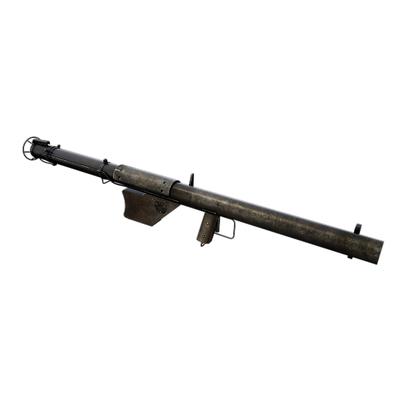
Did you know that 'bazooka' is actually Dutch?

'Bazooka' is a word borrowed from Dutch 'bazuin'. The word entered the English language some time around 1943.


bazooka [noun] [1943]
A light portable antitank weapon consisting of an open-breech smoothbore firing tube that launches an armor-piercing ro...
See 'bazooka' on the Loan Words Map

See more loan words from Dutch.

note: The name bazooka comes from an extension of the word bazoo which is slang for mouth or boastful talk and which ultimately probably stems from the Dutch bazuin (buisine - a medieval trumpet). The word bazooka appears in the 1909 novel The Swoop or how Clarence Saved England by P. G. Wodehouse.
Etymology: (a crude musical instrument made of pipes and a funnel)
See more loan words from 1940s.


Did you know that 'vig' is actually Yiddish?

'Vig' is a word borrowed from Yiddish 'vigorish'. The word entered the English language some time around 1968.


vig [noun] [1968]
Vigorish
See 'vig' on the Loan Words Map

See more loan words from Yiddish.

note: US slang the interest on a loan that is paid to a moneylender.
Etymology: -
See more loan words from 1960s.


Tuesday, 8 August 2023

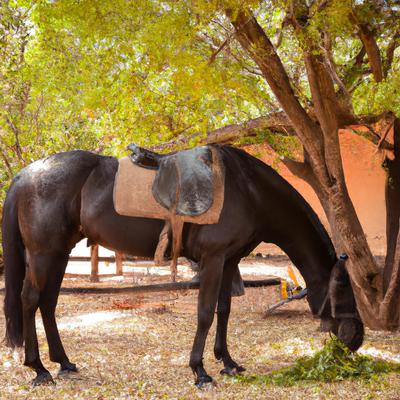
The word 'caparison' is originally from Spanish 'caparazon'

'Caparison' is a word borrowed from Spanish 'caparazon'. The word entered the English language some time around 1579.


caparison [noun] [1579]
  • an ornamental covering for a horse
  • decorative trappings and harness
  • rich clothing
  • adornment
See 'caparison' on the Loan Words Map

See more loan words from Spanish.

Etymology: Middle French 'caparaçon' from Old Spanish 'caparazón'
See more loan words from 1500s.


Yiddish 'puts' in the English language

'Putz' is a word borrowed from Yiddish 'puts'.


putz
(details not available)
See 'putz' on the Loan Words Map

See more loan words from Yiddish.

note: 1900–05 - Yiddish puts literally: ornament finery - probably noun derivative of putsn to clean or shine - compare early modern German butzen to decorate.
Etymology: -
See more loan words from (unknown date).

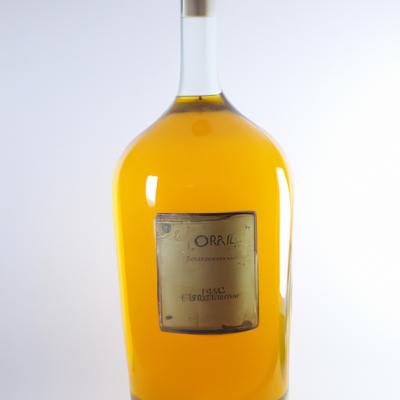
How the French language influenced English with the word 'vinegar'

'Vinegar' is a word borrowed from French 'vyn egre'. The word entered the English language some time around the 13th century.


vinegar [noun] [13th century]
  • a sour liquid obtained by fermentation of dilute alcoholic liquids and used as a condiment or preservative
  • ill humor
  • sourness
  • vim
See 'vinegar' on the Loan Words Map

See more loan words from French.

Etymology: Middle English 'vinegre' from Anglo-French 'vin egre' from 'vin' wine (from Latin 'vinum') + 'egre' keen, sour
See more loan words from 1200s.


The Tagalog roots of the word 'parol'

'Parol' is a word borrowed from Tagalog 'parol'. The word entered the English language some time around 1590.


parol [noun] [1590]
Word of mouth
See 'parol' on the Loan Words Map

See more loan words from Tagalog.

note: Also written as paról or parul from Spanish farol meaning lantern) is a Filipino ornamental lantern displayed during the Christmas season.
Etymology: Middle French 'parole'
See more loan words from 1500s.